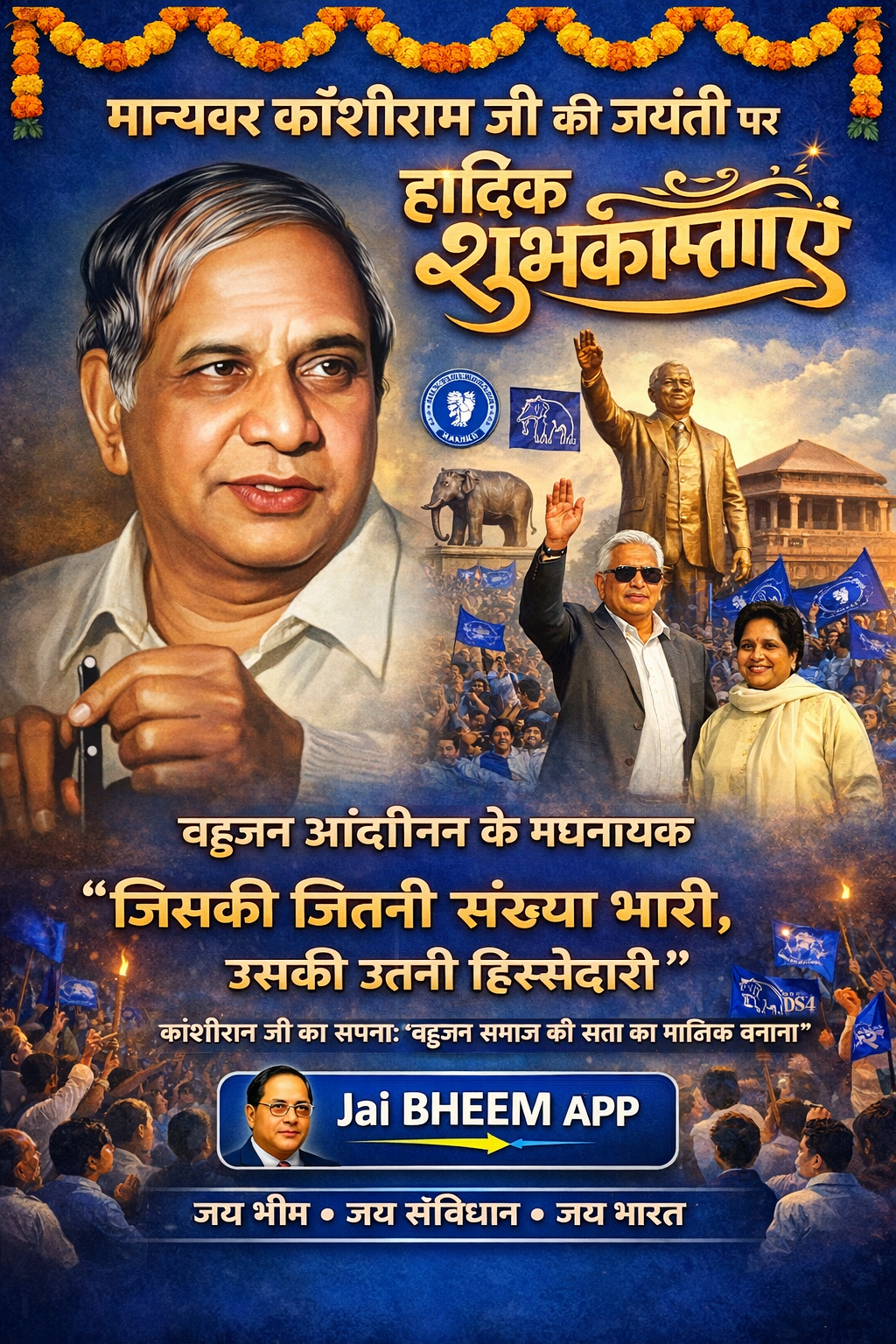
“बहुजन आंदोलन के महानायक मान्यवर कांशीराम जी को जयंती की हार्दिक शुभकामनाएं
**मान्यवर कांशीराम जयंती विशेष संदेश – Jai Bheem App**
नमस्कार साथियों,
जय भीम।
आज हम बहुज...
**मान्यवर कांशीराम जयंती विशेष संदेश – Jai Bheem App**
नमस्कार साथियों,
जय भीम।
आज हम बहुजन आंदोलन के महान योद्धा, दूरदर्शी रणनीतिकार और सामाजिक परिवर्तन के महानायक **मान्यवर कांशीराम जी** की जयंती मना रहे हैं।
15 मार्च 1934 को पंजाब के रूपनगर जिले में जन्मे कांशीराम जी ने अपना पूरा जीवन बहुजन समाज को जागरूक करने, संगठित करने और उन्हें सत्ता में भागीदारी दिलाने के लिए समर्पित कर दिया।
कांशीराम जी केवल एक नेता नहीं थे, बल्कि एक मिशन थे।
उन्होंने अपने जीवन का एक ही उद्देश्य बनाया था — **बहुजन समाज को सत्ता का मालिक बनाना।**
सरकारी नौकरी के दौरान जब उन्होंने समाज में हो रहे भेदभाव और अन्याय को देखा, तब उन्होंने यह निश्चय किया कि वे अपनी पूरी जिंदगी बहुजन समाज के लिए समर्पित करेंगे।
उन्होंने बाबा साहेब डॉ. भीमराव आंबेडकर के अधूरे मिशन को आगे बढ़ाने का संकल्प लिया।
उनका मानना था कि जब तक बहुजन समाज राजनीतिक रूप से मजबूत नहीं होगा, तब तक सामाजिक न्याय अधूरा रहेगा।
इसी उद्देश्य से उन्होंने सबसे पहले **BAMCEF** की स्थापना की, ताकि शिक्षित कर्मचारियों को एकजुट किया जा सके।
इसके बाद उन्होंने **डीएस-4 – दलित शोषित समाज संघर्ष समिति** बनाई, जिसने पूरे देश में बहुजन चेतना को फैलाने का काम किया।
लेकिन कांशीराम जी का सबसे बड़ा सपना था कि बहुजन समाज खुद सत्ता में आए और इस देश की राजनीति को दिशा दे।
इसी सपने को साकार करने के लिए उन्होंने **बहुजन समाज पार्टी** की स्थापना की।
उनका प्रसिद्ध नारा था —
“जिसकी जितनी संख्या भारी, उसकी उतनी हिस्सेदारी।”
इस नारे के माध्यम से उन्होंने बहुजन समाज को यह समझाया कि भारत की लोकतांत्रिक व्यवस्था में सत्ता उसी के हाथ में होनी चाहिए जिसकी आबादी सबसे अधिक है।
कांशीराम जी का सपना था कि इस देश में ऐसी सरकार बने जो संविधान के मूल्यों पर चले, जो समाज के सबसे कमजोर व्यक्ति को न्याय दे और जो बहुजन समाज को सम्मान और अधिकार दिलाए।
उन्होंने अपना पूरा जीवन देश के कोने-कोने में जाकर लोगों को जागरूक करने में लगा दिया।
उनकी मेहनत और दूरदर्शिता ने बहुजन आंदोलन को एक मजबूत राजनीतिक शक्ति में बदल दिया।
आज भी उनका संदेश हमें प्रेरणा देता है —
**संगठित बनो, जागरूक बनो और सत्ता में भागीदारी हासिल करो।**
साथियों,
आज **Jai Bheem App** की ओर से हम बहुजन आंदोलन के महानायक **मान्यवर कांशीराम जी को उनकी जयंती पर हार्दिक शुभकामनाएँ** देते हैं।
आइए हम सब मिलकर उनके सपनों को आगे बढ़ाने का संकल्प लें और एक ऐसा भारत बनाने के लिए काम करें जहाँ समानता, न्याय और संविधान सर्वोपरि हो।
**मान्यवर कांशीराम जी को उनकी जयंती पर Jai Bheem App परिवार की ओर से हार्दिक शुभकामनाएँ।**
जय भीम।
जय संविधान।
जय भारत।
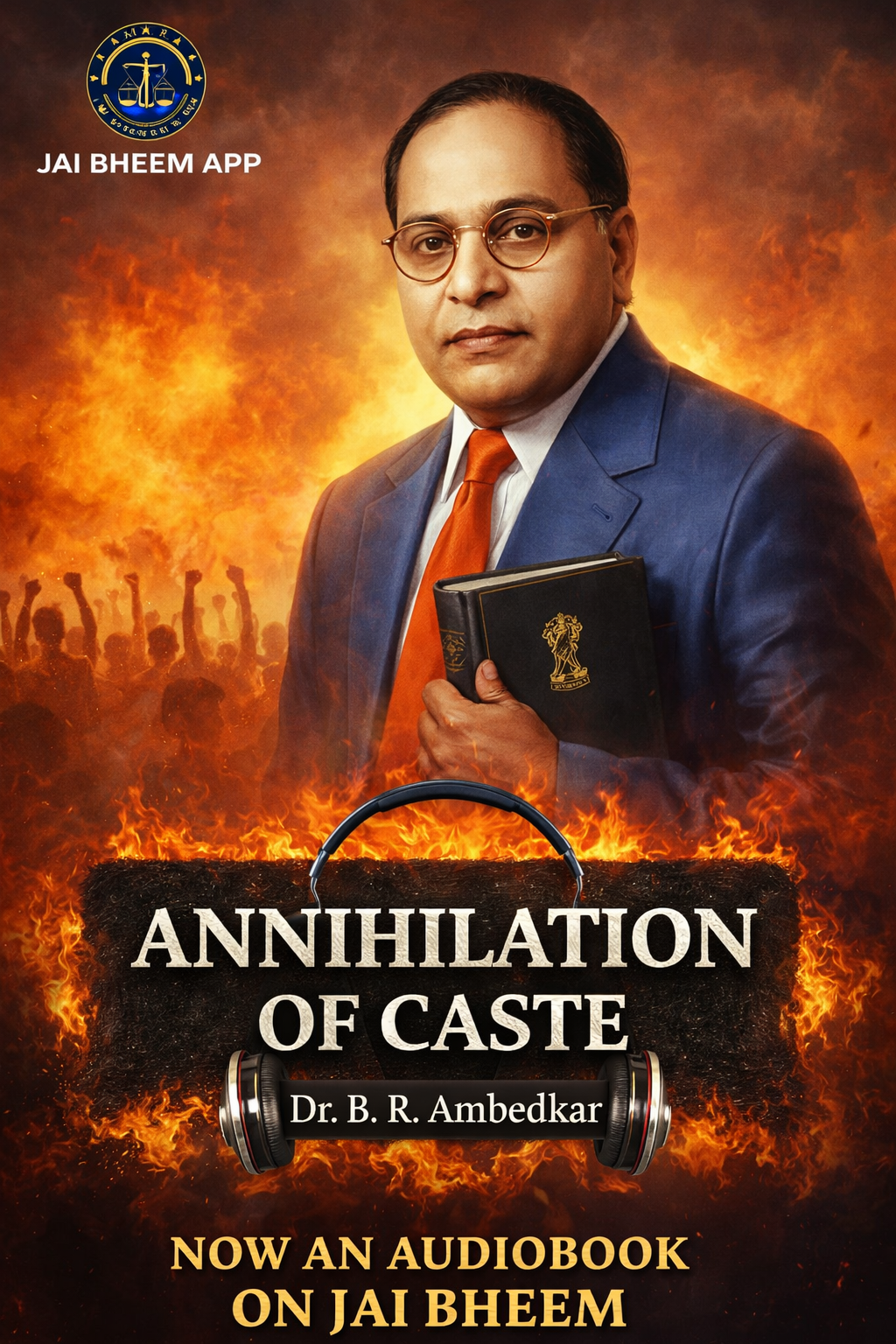
Annihilation of Caste
Annihilation of Caste (1936) – ಸಮಗ್ರ ವಿಶ್ಲೇಷಣೆ
ಲೇಖಕ: ಡಾ. ಬಿ.ಆರ್. ಅಂಬೇಡ್ಕರ್
ಪ್ರಕಾಶನ: 1936
ಭ...
Annihilation of Caste (1936) – ಸಮಗ್ರ ವಿಶ್ಲೇಷಣೆ
ಲೇಖಕ: ಡಾ. ಬಿ.ಆರ್. ಅಂಬೇಡ್ಕರ್
ಪ್ರಕಾಶನ: 1936
ಭಾಗ 1: ಐತಿಹಾಸಿಕ ಹಿನ್ನೆಲೆ
1930ರ ದಶಕದಲ್ಲಿ ಭಾರತದಲ್ಲಿ ಸ್ವಾತಂತ್ರ್ಯ ಚಳವಳಿ ತೀವ್ರಗೊಳ್ಳುತ್ತಿದ್ದ ಸಮಯ. ಆದರೆ ಸಮಾಜದ ಒಳಗಿನ ಜಾತಿ ವ್ಯವಸ್ಥೆ ಅಸ್ಪೃಶ್ಯರನ್ನು ಮಾನವೀಯ ಹಕ್ಕುಗಳಿಂದ ದೂರವಿಟ್ಟಿತ್ತು. ಲಾಹೋರ್ನ “Jat-Pat Todak Mandal” ಎಂಬ ಸಂಘಟನೆ ಅಂಬೇಡ್ಕರ್ ಅವರನ್ನು ಭಾಷಣಕ್ಕೆ ಆಹ್ವಾನಿಸಿತು. ಆದರೆ ಅವರ ಭಾಷಣದ ಮಸೂದೆಯನ್ನು ನೋಡಿದ ನಂತರ, ಅದರಲ್ಲಿದ್ದ ಧರ್ಮಶಾಸ್ತ್ರಗಳ ತೀವ್ರ ವಿಮರ್ಶೆಯಿಂದ ಸಂಘಟನೆ ಆತಂಕಗೊಂಡು ಆಹ್ವಾನವನ್ನು ಹಿಂತೆಗೆದುಕೊಂಡಿತು.
ಅಂಬೇಡ್ಕರ್ ಅವರು ಆ ಭಾಷಣವನ್ನು “Annihilation of Caste” ಎಂಬ ಪುಸ್ತಕವಾಗಿ ಪ್ರಕಟಿಸಿದರು. ಈ ಕೃತಿ ಭಾರತದ ಸಾಮಾಜಿಕ ಚಿಂತನೆಗೆ ಒಂದು ಭೂಕಂಪದಂತೆ ಪರಿಣಾಮ ಬೀರಿತು.
ಭಾಗ 2: ಪುಸ್ತಕದ ಕೇಂದ್ರ ವಾದ
ಅಂಬೇಡ್ಕರ್ ಅವರ ಮುಖ್ಯ ವಾದ:
ಜಾತಿ ವ್ಯವಸ್ಥೆ ಕೇವಲ ಸಾಮಾಜಿಕ ವ್ಯವಸ್ಥೆಯಲ್ಲ; ಅದು ಧಾರ್ಮಿಕವಾಗಿ ಮಾನ್ಯತೆ ಪಡೆದ ಶೋಷಣಾ ವ್ಯವಸ್ಥೆ.
ಅವರು ಹೇಳುತ್ತಾರೆ:
ಜಾತಿ ವ್ಯವಸ್ಥೆ ಸಮಾಜವನ್ನು ತುಂಡರಿಸುತ್ತದೆ
ಸಮಾನತೆ ಮತ್ತು ಸಹೋದರತ್ವವನ್ನು ನಾಶಮಾಡುತ್ತದೆ
ಪ್ರಜಾಪ್ರಭುತ್ವದ ಮೌಲ್ಯಗಳಿಗೆ ವಿರುದ್ಧವಾಗಿದೆ
ಅವರ ದೃಷ್ಟಿಯಲ್ಲಿ ಜಾತಿ ವ್ಯವಸ್ಥೆ ದೈವಿಕವಲ್ಲ; ಮಾನವ ನಿರ್ಮಿತ ವ್ಯವಸ್ಥೆ.
ಭಾಗ 3: ಧರ್ಮ ಮತ್ತು ಶಾಸ್ತ್ರಗಳ ವಿಮರ್ಶೆ
ಅಂಬೇಡ್ಕರ್ ಸ್ಪಷ್ಟವಾಗಿ ಹೇಳುತ್ತಾರೆ:
ಜಾತಿ ವ್ಯವಸ್ಥೆಯನ್ನು ನಾಶಮಾಡಬೇಕಾದರೆ, ಅದರ ಧಾರ್ಮಿಕ ಮೂಲಗಳನ್ನು ಪ್ರಶ್ನಿಸಬೇಕು.
ಅವರು ಮನುಸ್ಮೃತಿ ಮತ್ತು ಇತರ ಶಾಸ್ತ್ರಗಳ ವಿಮರ್ಶೆ ಮಾಡುತ್ತಾರೆ. ಅವರ ಅಭಿಪ್ರಾಯದಲ್ಲಿ:
ಶಾಸ್ತ್ರಗಳು ಅಸಮಾನತೆಯನ್ನು ಶಾಶ್ವತಗೊಳಿಸಿವೆ
ಸಾಮಾಜಿಕ ಸುಧಾರಣೆ ಸಾಧ್ಯವಾಗಬೇಕಾದರೆ, ಶಾಸ್ತ್ರಗಳ ಪ್ರಭುತ್ವವನ್ನು ತ್ಯಜಿಸಬೇಕು
ಇದು ಆ ಕಾಲದಲ್ಲಿ ಅತ್ಯಂತ ಧೈರ್ಯಶಾಲಿ ನಿಲುವಾಗಿತ್ತು.
ಭಾಗ 4: ಗಾಂಧೀಜಿ ಮತ್ತು ಅಂಬೇಡ್ಕರ್
ಈ ಪುಸ್ತಕ ಪ್ರಕಟವಾದ ನಂತರ ಮಹಾತ್ಮಾ ಗಾಂಧೀಜಿ ಪ್ರತಿಕ್ರಿಯಿಸಿದರು. ಗಾಂಧೀಜಿ ವರ್ಣ ವ್ಯವಸ್ಥೆಯನ್ನು ಮೂಲತಃ ಹಾನಿಕಾರಕವಲ್ಲ ಎಂದು ವಾದಿಸಿದರು.
ಅಂಬೇಡ್ಕರ್ ಪ್ರತಿಕ್ರಿಯೆಯಲ್ಲಿ ಹೇಳಿದರು:
ವರ್ಣ ವ್ಯವಸ್ಥೆ ಮತ್ತು ಜಾತಿ ವ್ಯವಸ್ಥೆ ಬೇರೆ ಎಂದು ಹೇಳುವುದು ವ್ಯರ್ಥ. ಎರಡೂ ಅಸಮಾನತೆಯ ಮೂಲ.
ಇದು ಭಾರತೀಯ ಚಿಂತನೆ ಇತಿಹಾಸದ ಪ್ರಮುಖ ತಾತ್ವಿಕ ವಾದವಿವಾದ.
ಭಾಗ 5: ಸಾಮಾಜಿಕ ಪ್ರಜಾಪ್ರಭುತ್ವ
ಅಂಬೇಡ್ಕರ್ ಪ್ರಜಾಪ್ರಭುತ್ವವನ್ನು ಕೇವಲ ರಾಜಕೀಯ ವ್ಯವಸ್ಥೆ ಎಂದು ನೋಡಲಿಲ್ಲ.
ಅವರ ಪ್ರಕಾರ:
ಸಾಮಾಜಿಕ ಪ್ರಜಾಪ್ರಭುತ್ವ = ಸ್ವಾತಂತ್ರ್ಯ + ಸಮಾನತೆ + ಸಹೋದರತ್ವ
ಜಾತಿ ವ್ಯವಸ್ಥೆ ಇವುಗಳನ್ನು ಅಸಾಧ್ಯಗೊಳಿಸುತ್ತದೆ.
ಭಾಗ 6: ಸುಧಾರಣೆಯ ಮಾರ್ಗ
ಅಂಬೇಡ್ಕರ್ ಪ್ರಸ್ತಾಪಿಸಿದ ಮಾರ್ಗ:
ಅಂತರ್ಜಾತಿ ವಿವಾಹ
ಧಾರ್ಮಿಕ ಸುಧಾರಣೆ
ಶಿಕ್ಷಣ
ಸ್ವಾಭಿಮಾನ ಚಳವಳಿ
ಅವರು ಸ್ಪಷ್ಟವಾಗಿ ಹೇಳುತ್ತಾರೆ:
ಜಾತಿ ವ್ಯವಸ್ಥೆಯನ್ನು ಸುಧಾರಿಸಲು ಸಾಧ್ಯವಿಲ್ಲ; ಅದನ್ನು ಸಂಪೂರ್ಣವಾಗಿ ನಿರ್ಮೂಲ ಮಾಡಬೇಕು.
ಭಾಗ 7: ಕೃತಿಯ ಪರಿಣಾಮ
ಈ ಕೃತಿ ದಲಿತ ಚಳವಳಿಗೆ ತತ್ತ್ವಾಧಾರ ಒದಗಿಸಿತು.
ಇದು ಭಾರತೀಯ ಸಮಾಜವನ್ನು ಆತ್ಮಪರಿಶೀಲನೆಗೆ ಒತ್ತಾಯಿಸಿತು.
ಇಂದಿಗೂ “Annihilation of Caste” ಸಾಮಾಜಿಕ ನ್ಯಾಯ ಚರ್ಚೆಗಳ ಕೇಂದ್ರದಲ್ಲಿದೆ.
ಸಾರಾಂಶ
“Annihilation of Caste” ಕೇವಲ ಒಂದು ಪುಸ್ತಕವಲ್ಲ; ಅದು ಒಂದು ಕ್ರಾಂತಿಕಾರಿ ಘೋಷಣೆ.
ಅಂಬೇಡ್ಕರ್ ಅವರ ದೃಷ್ಟಿಯಲ್ಲಿ, ಜಾತಿ ವ್ಯವಸ್ಥೆಯನ್ನು ನಾಶಮಾಡದೆ ಭಾರತದಲ್ಲಿ ನಿಜವಾದ ಪ್ರಜಾಪ್ರಭುತ್ವ ಸಾಧ್ಯವಿಲ್ಲ.
Ambedkar's Irrigation and Dams plan:
Dr. B.R. Ambedkar was a strong advocate for the development of infrastructure and irrigation syst...
Dr. B.R. Ambedkar was a strong advocate for the development of infrastructure and irrigation systems, particularly for the upliftment of marginalized communities and the economic development of regions that had been historically neglected. He believed that access to water resources and effective irrigation would significantly improve the agricultural productivity and overall socio-economic condition of the Dalits and other oppressed classes.
Ambedkar's Contribution to Irrigation and Dams:
While Ambedkar didn’t personally build dams, he played a key role in conceptualizing and advocating for the construction of various irrigation projects, particularly as part of his work in the Bombay Presidency (now Maharashtra). His contributions can be primarily linked to his tenure as the first Law Minister of independent India, but his advocacy for irrigation systems began earlier during his time in the Bombay Legislative Assembly.
Ambedkar's most famous work related to irrigation is his involvement with the development of the Bhakra Nangal Dam. The Bhakra Nangal Project, one of India's major irrigation and hydroelectric projects, was started in the Punjab region, and Ambedkar played an important role in shaping the vision for such large-scale irrigation schemes that would benefit agriculture, especially in the poorer and drought-prone areas.
However, it is important to note that the number of dams built specifically under Ambedkar’s plan is not well-documented as part of a direct legacy. Ambedkar’s main focus was on social justice, education, and economic empowerment rather than overseeing specific infrastructure projects like dams.
Key Projects and Initiatives:
Bhakra Nangal Dam:
Ambedkar advocated for the construction of large dams as part of his broader vision for the economic self-sufficiency of marginalized communities. The Bhakra Nangal Dam, initiated by the Indian government after independence, was seen as one of the key projects that could bring water to large regions of northern India, especially Punjab, Haryana, and Rajasthan, improving agricultural productivity.
Role in the Development of Water Resources:
Ambedkar's vision was not limited to one dam or project; rather, he believed that water resources should be used for inclusive development. His plans involved large-scale irrigation networks, which could benefit agriculture and reduce dependence on the monsoon season.
Conclusion:
Ambedkar’s direct involvement in the construction of dams is not explicitly documented in terms of a set number of dams that were "built using his plan." However, his advocacy for infrastructure, including irrigation projects, and his focus on improving the economic conditions of marginalized communities, indirectly shaped India's approach to water resource management and irrigation systems, leading to large-scale projects like the Bhakra Nangal Dam.
"Mook Nayak"-Purpose and Goals
“Mook Nayak” (1920) ಎಂಬುದು ಡಾ. ಬಿ.ಆರ್. ಅಂಬೇಡ್ಕರ್ ಅವರು ಪ್ರಾರಂಭಿಸಿದ ಮೊದಲ ಪತ್ರಿಕೆ. “ಮೂಕ” ಎಂದರೆ ಮಾತು ...
“Mook Nayak” (1920) ಎಂಬುದು ಡಾ. ಬಿ.ಆರ್. ಅಂಬೇಡ್ಕರ್ ಅವರು ಪ್ರಾರಂಭಿಸಿದ ಮೊದಲ ಪತ್ರಿಕೆ. “ಮೂಕ” ಎಂದರೆ ಮಾತು ಹೇಳಲು ಅವಕಾಶವಿಲ್ಲದವರು, “ನಾಯಕ” ಎಂದರೆ ಮಾರ್ಗದರ್ಶಕ. ಅಂದರೆ, ಮಾತು ಕಳೆದುಕೊಂಡ ಸಮುದಾಯದ ಧ್ವನಿಯಾಗುವುದು ಈ ಪತ್ರಿಕೆಯ ಉದ್ದೇಶ. 1920ರ ಜನವರಿ 31ರಂದು ಮಹಾರಾಷ್ಟ್ರದಲ್ಲಿ ಈ ಪತ್ರಿಕೆ ಪ್ರಕಟವಾಗಲು ಆರಂಭವಾಯಿತು. ಆ ಕಾಲದಲ್ಲಿ ಅಸ್ಪೃಶ್ಯರು ಸಮಾಜದಲ್ಲಿ ಭಾರೀ ಅನ್ಯಾಯ, ಭೇದಭಾವ ಮತ್ತು ಶೋಷಣೆಗೆ ಒಳಗಾಗಿದ್ದರು. ಅವರ ನೋವು ಮತ್ತು ಬೇಡಿಕೆಗಳಿಗೆ ರಾಜಕೀಯ ಹಾಗೂ ಸಾಮಾಜಿಕ ವೇದಿಕೆ ಇರಲಿಲ್ಲ. ಈ ಹಿನ್ನೆಲೆಯಲ್ಲಿ “Mook Nayak” ಒಂದು ಚಳವಳಿಯ ಸಾಧನವಾಗಿ ರೂಪುಗೊಂಡಿತು.
ಭಾಗ 1: ಐತಿಹಾಸಿಕ ಹಿನ್ನೆಲೆ
ಬ್ರಿಟಿಷರ ಆಡಳಿತ ಕಾಲದಲ್ಲಿ ಶಿಕ್ಷಣ ಮತ್ತು ಆಡಳಿತ ವ್ಯವಸ್ಥೆಯಲ್ಲಿ ಕೆಲವು ಸುಧಾರಣೆಗಳಾದರೂ, ಅಸ್ಪೃಶ್ಯರಿಗೆ ಸಮಾಜದಲ್ಲಿ ಮಾನವೀಯ ಹಕ್ಕುಗಳು ಸಿಗಲಿಲ್ಲ. ಮೇಲ್ಜಾತಿ ಪ್ರಭುತ್ವವು ಸಾಮಾಜಿಕ ಹಾಗೂ ರಾಜಕೀಯ ಕ್ಷೇತ್ರಗಳಲ್ಲಿ ಮುಂದುವರಿದಿತ್ತು. ಡಾ. ಅಂಬೇಡ್ಕರ್ ಅವರು ಈ ಸ್ಥಿತಿಯನ್ನು ಕೇವಲ ಸಾಮಾಜಿಕ ಸಮಸ್ಯೆಯಾಗಿ ನೋಡದೆ, ರಾಜಕೀಯ ಸಮಸ್ಯೆಯಾಗಿ ಪರಿಗಣಿಸಿದರು. ಅವರ ಅಭಿಪ್ರಾಯದಲ್ಲಿ, ರಾಜಕೀಯ ಜಾಗೃತಿ ಇಲ್ಲದೆ ಸಾಮಾಜಿಕ ಮುಕ್ತಿ ಸಾಧ್ಯವಿಲ್ಲ. ಈ ಚಿಂತನೆಯಿಂದಲೇ “Mook Nayak” ಹುಟ್ಟಿಕೊಂಡಿತು.
ಭಾಗ 2: “Mook Nayak” ಪತ್ರಿಕೆಯ ಮುಖ್ಯ ಉದ್ದೇಶ
ಮಾತು ಕಳೆದುಕೊಂಡ ಸಮುದಾಯಕ್ಕೆ ಧ್ವನಿ ನೀಡುವುದು
ಅಸ್ಪೃಶ್ಯರು ತಮ್ಮ ಅನುಭವ ಮತ್ತು ನೋವನ್ನು ಸಾರ್ವಜನಿಕವಾಗಿ ವ್ಯಕ್ತಪಡಿಸಲು ಸಾಧ್ಯವಾಗುತ್ತಿರಲಿಲ್ಲ. “Mook Nayak” ಅವರ ಧ್ವನಿಯಾಗಿ ಕಾರ್ಯನಿರ್ವಹಿಸಿತು.
ಜಾತಿ ಆಧಾರಿತ ಅನ್ಯಾಯವನ್ನು ಬಹಿರಂಗಪಡಿಸುವುದು
ಪತ್ರಿಕೆಯಲ್ಲಿ ಜಾತಿ ಭೇದಭಾವ, ಅಸ್ಪೃಶ್ಯತೆ ಮತ್ತು ಸಾಮಾಜಿಕ ಶೋಷಣೆಯ ವಿರುದ್ಧ ಲೇಖನಗಳನ್ನು ಪ್ರಕಟಿಸಲಾಯಿತು.
ರಾಜಕೀಯ ಜಾಗೃತಿ ಮೂಡಿಸುವುದು
ಅಂಬೇಡ್ಕರ್ ಅವರು ರಾಜಕೀಯ ಶಕ್ತಿಯ ಮಹತ್ವವನ್ನು ಒತ್ತಿಹೇಳಿದರು. ಮತದಾನ, ಪ್ರತಿನಿಧಿತ್ವ ಮತ್ತು ಹಕ್ಕುಗಳ ಬಗ್ಗೆ ಅರಿವು ಮೂಡಿಸುವುದು ಪ್ರಮುಖ ಗುರಿಯಾಗಿತ್ತು.
ಶಿಕ್ಷಣದ ಮಹತ್ವವನ್ನು ಒತ್ತಿಹೇಳುವುದು
ಶಿಕ್ಷಣವೇ ಮುಕ್ತಿಯ ದಾರಿ ಎಂದು ಅಂಬೇಡ್ಕರ್ ನಂಬಿದ್ದರು. “Mook Nayak” ಶಿಕ್ಷಣದ ಅಗತ್ಯತೆ ಬಗ್ಗೆ ಜಾಗೃತಿ ಮೂಡಿಸಿತು.
ಭಾಗ 3: ಕಾರ್ಯಪದ್ಧತಿ ಮತ್ತು ಹಂತಗಳು
ಹಂತ 1: ಜಾಗೃತಿ ಹಂತ
ಪ್ರಾರಂಭಿಕ ಹಂತದಲ್ಲಿ ಪತ್ರಿಕೆ ಸಮಾಜದ ಸಮಸ್ಯೆಗಳನ್ನು ವಿವರಿಸಿತು. ಜನರಿಗೆ ತಮ್ಮ ಸ್ಥಿತಿಯ ಅರಿವು ಮೂಡಿಸುವುದು ಮೊದಲ ಗುರಿ.
ಹಂತ 2: ಸಂಘಟನಾ ಹಂತ
ಪತ್ರಿಕೆಯ ಮೂಲಕ ಸಮುದಾಯದ ಸಂಘಟನೆಗೆ ಕರೆ ನೀಡಲಾಯಿತು. ಹಕ್ಕುಗಳಿಗಾಗಿ ಒಟ್ಟಾಗಿ ಹೋರಾಡಬೇಕೆಂದು ಪ್ರೇರಣೆ ನೀಡಲಾಯಿತು.
ಹಂತ 3: ರಾಜಕೀಯ ದಿಕ್ಕುನಿರ್ಧಾರ ಹಂತ
ಅಂಬೇಡ್ಕರ್ ಅವರು ಪ್ರತ್ಯೇಕ ರಾಜಕೀಯ ಪ್ರತಿನಿಧಿತ್ವ ಮತ್ತು ಸಮಾನ ಹಕ್ಕುಗಳ ಅಗತ್ಯತೆಯನ್ನು ಚರ್ಚಿಸಿದರು. ಪತ್ರಿಕೆ ರಾಜಕೀಯ ಚರ್ಚೆಗಳ ವೇದಿಕೆಯಾಯಿತು.
ಭಾಗ 4: “Mook Nayak” ನ ಪರಿಣಾಮ
ದಲಿತ ಚಳವಳಿಗೆ ಬುನಾದಿ
ಈ ಪತ್ರಿಕೆ ದಲಿತ ಚಳವಳಿಗೆ ಪ್ರಾರಂಭಿಕ ವೇದಿಕೆಯನ್ನು ಒದಗಿಸಿತು.
ಸ್ವಾಭಿಮಾನ ಚಿಂತನೆ
ಸಮುದಾಯದ ಸ್ವಾಭಿಮಾನವನ್ನು ಉತ್ತೇಜಿಸಿತು.
ಬೌದ್ಧಿಕ ಚಳವಳಿ
ಅಂಬೇಡ್ಕರ್ ಅವರ ತರ್ಕಬದ್ಧ ಬರಹಗಳು ಸಾಮಾಜಿಕ ಚರ್ಚೆಗೆ ದಾರಿ ಮಾಡಿಕೊಟ್ಟವು.
ಭಾಗ 5: ಸವಾಲುಗಳು
“Mook Nayak” ಪತ್ರಿಕೆ ಆರ್ಥಿಕ ಮತ್ತು ಸಾಮಾಜಿಕ ವಿರೋಧಗಳನ್ನು ಎದುರಿಸಿತು. ಆದರೆ ಅದರ ಸಂದೇಶ ಮುಂದಿನ ಚಳವಳಿಗಳಿಗೆ ಪ್ರೇರಣೆ ನೀಡಿತು.
ಸಾರಾಂಶ
“Mook Nayak” ಕೇವಲ ಒಂದು ಪತ್ರಿಕೆ ಅಲ್ಲ; ಅದು ಒಂದು ಸಾಮಾಜಿಕ ಮತ್ತು ರಾಜಕೀಯ ಚಳವಳಿಯ ಆರಂಭ. ಇದರ ಉದ್ದೇಶ ಮಾತು ಕಳೆದುಕೊಂಡವರ ಧ್ವನಿಯಾಗುವುದು, ಜಾತಿ ಆಧಾರಿತ ಅನ್ಯಾಯವನ್ನು ಪ್ರಶ್ನಿಸುವುದು, ರಾಜಕೀಯ ಜಾಗೃತಿ ಮೂಡಿಸುವುದು ಮತ್ತು ಶಿಕ್ಷಣದ ಮೂಲಕ ಸಮಾನತೆ ಸಾಧಿಸುವುದು. ಡಾ. ಅಂಬೇಡ್ಕರ್ ಅವರ ದೃಷ್ಟಿಯಲ್ಲಿ ಇದು ಮುಕ್ತಿಯ ಮಾರ್ಗದರ್ಶನವಾಗಿತ್ತು.
The Chamacha Age: An Era of Stooges
The Chamcha Age: An Era of Stooges (1993) ಎಂಬುದು ಡಾ. ಬಿ.ಆರ್. ಅಂಬೇಡ್ಕರ್ ಅವರ ಚಿಂತನೆಗಳನ್ನು ಆಧರಿಸಿ ರಚ...
The Chamcha Age: An Era of Stooges (1993) ಎಂಬುದು ಡಾ. ಬಿ.ಆರ್. ಅಂಬೇಡ್ಕರ್ ಅವರ ಚಿಂತನೆಗಳನ್ನು ಆಧರಿಸಿ ರಚಿಸಲ್ಪಟ್ಟ ಮಹತ್ವದ ರಾಜಕೀಯ-ಸಾಮಾಜಿಕ ಕೃತಿ. ಈ ಕೃತಿಯನ್ನು Kanshi Ram ಅವರು ರಚಿಸಿದರು. ಇದರಲ್ಲಿ ಅವರು ಭಾರತೀಯ ರಾಜಕೀಯ ವ್ಯವಸ್ಥೆಯಲ್ಲಿ ದಲಿತರು ಮತ್ತು ಹಿಂದುಳಿದ ಸಮುದಾಯಗಳು ಎದುರಿಸುತ್ತಿರುವ ಒಂದು ಪ್ರಮುಖ ಸಮಸ್ಯೆಯನ್ನು ವಿಶ್ಲೇಷಿಸುತ್ತಾರೆ — ಅದೇನೆಂದರೆ “ಚಮಚಾ ಸಂಸ್ಕೃತಿ” ಅಥವಾ “ಸ್ತೂಜ್ ರಾಜಕೀಯ”.
“ಚಮಚಾ” ಎಂಬ ಪದವನ್ನು Kanshi Ram ಅವರು ರೂಪಕವಾಗಿ ಬಳಸುತ್ತಾರೆ. ಇದರ ಅರ್ಥ, ಸ್ವತಂತ್ರ ರಾಜಕೀಯ ಚಿಂತನೆ ಇಲ್ಲದೆ, ಪ್ರಭುತ್ವಶಾಲಿ ವರ್ಗಗಳ ಆದೇಶಗಳನ್ನು ಅನುಸರಿಸುವ, ತಮ್ಮ ಸಮುದಾಯದ ಹಿತಾಸಕ್ತಿಯನ್ನು ಬಿಟ್ಟು ವೈಯಕ್ತಿಕ ಲಾಭಕ್ಕಾಗಿ ಕೆಲಸ ಮಾಡುವ ವ್ಯಕ್ತಿ. ಈ ಕೃತಿಯಲ್ಲಿ ಅವರು ಚಮಚಾ ಯುಗವನ್ನು ಹಂತ ಹಂತವಾಗಿ ವಿಶ್ಲೇಷಿಸುತ್ತಾರೆ.
ಭಾಗ 1: ಚಮಚಾ ಯುಗದ ಉಗಮ
ಸ್ವಾತಂತ್ರ್ಯಾನಂತರ ಭಾರತದಲ್ಲಿ ಸಂವಿಧಾನವು ಸಮಾನತೆ, ಸ್ವಾತಂತ್ರ್ಯ ಮತ್ತು ನ್ಯಾಯವನ್ನು ಭರವಸೆ ನೀಡಿದರೂ, ರಾಜಕೀಯ ವ್ಯವಸ್ಥೆ ಇನ್ನೂ ಪ್ರಭುತ್ವಶಾಲಿ ವರ್ಗಗಳ ನಿಯಂತ್ರಣದಲ್ಲಿ ಉಳಿಯಿತು. ಮೀಸಲು ವ್ಯವಸ್ಥೆಯ ಮೂಲಕ ಕೆಲವರು ಅಧಿಕಾರ ಸ್ಥಾನಗಳಿಗೆ ಬಂದರು. ಆದರೆ ಅವರಲ್ಲಿ ಹಲವರು ಸ್ವತಂತ್ರ ನಾಯಕತ್ವವನ್ನು ಬೆಳೆಸದೆ, ಪ್ರಧಾನ ಪಕ್ಷಗಳ ಅನುಯಾಯಿಗಳಾಗಿ ಉಳಿದರು.
ಈ ಸ್ಥಿತಿಯನ್ನು Kanshi Ram ಅವರು “Chamcha Age” ಎಂದು ಕರೆಯುತ್ತಾರೆ. ಅವರ ಪ್ರಕಾರ, ದಲಿತ ಮತ್ತು ಹಿಂದುಳಿದ ವರ್ಗಗಳ ರಾಜಕೀಯ ಪ್ರತಿನಿಧಿತ್ವವು ನಿಜವಾದ ಶಕ್ತಿಯಲ್ಲ, ಅದು ಪ್ರಭುತ್ವಶಾಲಿಗಳ ಅನುಗ್ರಹದ ಫಲಿತಾಂಶವಾಗಿದೆ.
ಭಾಗ 2: ಚಮಚರ ಹಂತಗಳು (Stages of Stooges)
Kanshi Ram ಅವರು ಚಮಚರನ್ನು ವಿವಿಧ ಹಂತಗಳಲ್ಲಿ ವಿಂಗಡಿಸುತ್ತಾರೆ:
ಸ್ವಯಂಪ್ರೇರಿತ ಚಮಚರು
ಇವರು ಸ್ವಯಂವಾಗಿ ಪ್ರಭುತ್ವಶಾಲಿ ವರ್ಗಗಳಿಗೆ ಸೇವೆ ಸಲ್ಲಿಸುತ್ತಾರೆ. ತಮ್ಮ ಸಮುದಾಯದ ಹಿತಾಸಕ್ತಿಯನ್ನು ಬಿಟ್ಟು ವೈಯಕ್ತಿಕ ಲಾಭಕ್ಕಾಗಿ ಕೆಲಸಮಾಡುತ್ತಾರೆ.
ರಾಜಕೀಯ ನೇಮಕಾತಿ ಚಮಚರು
ಮುಖ್ಯ ರಾಜಕೀಯ ಪಕ್ಷಗಳು ಕೆಲವು ದಲಿತ ನಾಯಕರನ್ನು ಪ್ರೋತ್ಸಾಹಿಸುತ್ತವೆ. ಆದರೆ ಅವರಿಗೆ ನಿಜವಾದ ಸ್ವಾಯತ್ತತೆ ನೀಡುವುದಿಲ್ಲ. ಅವರು ಕೇವಲ ಪಕ್ಷದ ನಿರ್ಧಾರಗಳನ್ನು ಅನುಸರಿಸುವ ಪಾತ್ರದಲ್ಲೇ ಇರುತ್ತಾರೆ.
ವ್ಯವಸ್ಥಾತ್ಮಕ ಚಮಚರು
ವ್ಯವಸ್ಥೆಯೊಳಗೆ ಸ್ಥಾನ ಪಡೆದಿದ್ದರೂ, ವ್ಯವಸ್ಥೆಯನ್ನು ಪ್ರಶ್ನಿಸದವರು. ಅವರು ಸ್ಥಿತಿಗತಿಯನ್ನು ಉಳಿಸುವಲ್ಲಿ ಸಹಕಾರಿಯಾಗುತ್ತಾರೆ.
ಬೌದ್ಧಿಕ ಚಮಚರು
ಇವರು ತಮ್ಮ ಬರಹ ಮತ್ತು ಭಾಷಣಗಳ ಮೂಲಕ ಪ್ರಭುತ್ವಶಾಲಿ ರಾಜಕೀಯವನ್ನು ನ್ಯಾಯೀಕರಿಸುತ್ತಾರೆ. ತಮ್ಮ ಸಮುದಾಯದ ಹಿತಾಸಕ್ತಿಗೆ ವಿರುದ್ಧವಾದ ನೀತಿಗಳನ್ನು ಸಮರ್ಥಿಸುತ್ತಾರೆ.
ಭಾಗ 3: ಚಮಚಾ ರಾಜಕೀಯದ ಪರಿಣಾಮಗಳು
ಚಮಚಾ ಸಂಸ್ಕೃತಿಯ ಪರಿಣಾಮವಾಗಿ:
ಸ್ವತಂತ್ರ ನಾಯಕತ್ವ ಬೆಳೆಯುವುದಿಲ್ಲ
ಸಮುದಾಯದ ರಾಜಕೀಯ ಜಾಗೃತಿ ಕುಗ್ಗುತ್ತದೆ
ಸಾಮಾಜಿಕ ನ್ಯಾಯದ ಹೋರಾಟ ದುರ್ಬಲಗೊಳ್ಳುತ್ತದೆ
ಪ್ರಭುತ್ವಶಾಲಿ ವರ್ಗಗಳು ತಮ್ಮ ನಿಯಂತ್ರಣವನ್ನು ಮುಂದುವರಿಸುತ್ತವೆ
Kanshi Ram ಅವರ ಅಭಿಪ್ರಾಯದಲ್ಲಿ, ಚಮಚಾ ರಾಜಕೀಯವು ದಲಿತರ ರಾಜಕೀಯ ಶಕ್ತಿಯನ್ನು ಕುಂಠಿತಗೊಳಿಸುತ್ತದೆ.
ಭಾಗ 4: ಅಂಬೇಡ್ಕರ್ ಚಿಂತನೆ ಮತ್ತು ಪರ್ಯಾಯ ದಾರಿ
ಡಾ. ಅಂಬೇಡ್ಕರ್ ಅವರು ಸ್ವತಂತ್ರ ರಾಜಕೀಯ ಶಕ್ತಿಯನ್ನು ಒತ್ತಿಹೇಳಿದ್ದರು. ಅವರು ಹೇಳಿದ್ದು:
“ರಾಜಕೀಯ ಶಕ್ತಿ ಸಾಮಾಜಿಕ ಪ್ರಗತಿಯ ಕೀಲಿಕೈ.”
ಸ್ವತಂತ್ರ ಪಕ್ಷ ಮತ್ತು ಸ್ವತಂತ್ರ ನಾಯಕತ್ವ ಅಗತ್ಯ.
Kanshi Ram ಅವರ ಪ್ರಕಾರ, ಅಂಬೇಡ್ಕರ್ ಅವರ ಮಾರ್ಗವೇ ಚಮಚಾ ಯುಗಕ್ಕೆ ಪರ್ಯಾಯ.
ಭಾಗ 5: ಚಮಚಾ ಯುಗದ ಅಂತ್ಯ ಹೇಗೆ?
ಸ್ವತಂತ್ರ ರಾಜಕೀಯ ಸಂಘಟನೆ ನಿರ್ಮಾಣ
ಸಮುದಾಯದ ಜಾಗೃತಿ
ಬೌದ್ಧಿಕ ಸ್ವಾವಲಂಬನೆ
ಸ್ವಾಭಿಮಾನ ಆಧಾರಿತ ರಾಜಕೀಯ
ಸಾರಾಂಶ
“The Chamcha Age” ಕೃತಿ ಭಾರತೀಯ ರಾಜಕೀಯ ವ್ಯವಸ್ಥೆಯ ಒಂದು ವಿಮರ್ಶಾತ್ಮಕ ವಿಶ್ಲೇಷಣೆ. ಇದು ಕೇವಲ ವ್ಯಕ್ತಿಗಳ ವಿರುದ್ಧದ ಟೀಕೆ ಅಲ್ಲ; ಅದು ಒಂದು ರಾಜಕೀಯ ಮನೋವೃತ್ತಿಯ ವಿರುದ್ಧದ ಆಕ್ರೋಶ. Kanshi Ram ಅವರ ದೃಷ್ಟಿಯಲ್ಲಿ, ಚಮಚಾ ಯುಗವು ಪ್ರಭುತ್ವಶಾಲಿ ವರ್ಗಗಳ ನಿಯಂತ್ರಣದ ಒಂದು ರೂಪ. ಈ ಯುಗದಿಂದ ಮುಕ್ತವಾಗಲು, ಸ್ವತಂತ್ರ ಚಿಂತನೆ ಮತ್ತು ಸ್ವತಂತ್ರ ರಾಜಕೀಯ ಶಕ್ತಿ ಅಗತ್ಯ.
Last Days of Babasaheb Ambedkar
Title: Last Days of Babasaheb Ambedkar
Author: Nanak Chand Rattu
First Published: 1997.
...
Title: Last Days of Babasaheb Ambedkar
Author: Nanak Chand Rattu
First Published: 1997.
"Last Few Years of Dr. Ambedkar" by Nanak Chand Rattu offers an intimate portrayal of Dr. B.R. Ambedkar's final years, as observed by his dedicated personal secretary of over 17 years. Rattu's close association with Ambedkar provides readers with unique insights into the personal and professional life of the architect of India's Constitution during his concluding years.
🕰️ Overview of the Final Years
In his later years, Dr. Ambedkar was deeply engrossed in the propagation of Buddhism. He was actively involved in writing significant works, including "The Buddha and His Dhamma" and "Riddles in Hinduism." Rattu played a pivotal role in typing and organizing these manuscripts, ensuring Ambedkar's thoughts were meticulously documented.
🏠 Personal Life and Relationships
Rattu's memoir sheds light on Ambedkar's personal life, particularly his relationship with his wife, Dr. Savita Ambedkar. The book discusses their interactions, highlighting moments of both harmony and tension. For instance, on December 5, 1956, Ambedkar expressed frustration over Savita's delayed return from the market, leading to a heated exchange. Rattu's presence during such moments provides a firsthand account of the emotional dynamics within Ambedkar's household.
📚 Literary Contributions and Legacy
Beyond chronicling events, Rattu emphasizes Ambedkar's unwavering commitment to social reform and education. Even in his final days, Ambedkar was focused on producing literature that would challenge societal norms and inspire change. His dedication to documenting the struggles and aspirations of marginalized communities is evident in his writings from this period.
📘 Significance of the Memoir
"Last Few Years of Dr. Ambedkar" stands as a crucial resource for understanding the personal dimensions of Ambedkar's life. Rattu's detailed observations offer readers a nuanced perspective on Ambedkar's character, motivations, and the challenges he faced. The memoir not only chronicles historical events but also captures the essence of a leader deeply committed to justice and equality.
The Problem of the Rupee: Its Origin and Its Solution (1923)
Summary of The Problem of the Rupee: Its Origin and Its Solution (1923) by Dr. B.R. Ambedkar:
In...
Summary of The Problem of the Rupee: Its Origin and Its Solution (1923) by Dr. B.R. Ambedkar:
In his 1923 treatise, The Problem of the Rupee: Its Origin and Its Solution, Dr. B.R. Ambedkar provides a detailed examination of the Indian monetary system, focusing particularly on the rupee and its connection to British colonial policies. Ambedkar discusses the historical development of the rupee as the currency of India and critiques the decisions made by the British colonial government, which, according to him, led to economic instability in India. His analysis is deeply tied to the economic exploitation of India under British rule and the role of currency policies in reinforcing colonial dominance.
Ambedkar’s work is significant not only for its economic insights but also for its critique of colonialism and the advocacy for India's economic self-determination.
Key Themes and Insights:
1. Historical Background of the Indian Rupee:
Ambedkar traces the origin of the rupee back to the ancient Indian monetary system, which was initially based on silver coins. He outlines the changes in currency policies over time, particularly following British rule in India. He argues that the British manipulated the rupee system to serve British interests and keep India’s economy subordinate to the needs of the empire.
2. The Impact of British Colonialism on the Indian Rupee:
Ambedkar highlights the way the British colonial government gradually devalued the rupee to weaken India’s economy and make it more dependent on Britain. He points to significant changes in the monetary system, particularly in the late 19th and early 20th centuries, that resulted in the rupee's value being pegged to the British pound, which was detrimental to India's economic independence.
One major change occurred when the Indian rupee was tied to silver and its value fluctuated based on silver prices. Britain, however, adopted the gold standard for its own currency, making India’s currency unstable and less useful in international markets. Ambedkar argues that this move was deliberate, as it made it more difficult for India to have a stable and independent currency system.
3. The Problem of the Silver Standard:
Ambedkar discusses the silver standard under which India operated, while the British Empire had shifted to the gold standard. This created a currency imbalance, making it difficult for India to maintain a stable exchange rate for the rupee. The fluctuation of silver prices in the international market directly impacted the rupee’s value, and thus, the Indian economy became highly vulnerable to external market forces.
He critiques the silver-to-gold shift as a fundamental flaw in the monetary system that harmed Indian economic interests and contributed to inflation and economic instability in India. Ambedkar identifies this imbalance as one of the major causes of India’s financial subordination to Britain.
4. The Economic Consequences of British Policies:
Ambedkar identifies several economic consequences of the British currency policies, which were intended to ensure the continued economic exploitation of India:
Deflationary pressure on the Indian economy due to a lack of gold reserves and an overreliance on silver, leading to a reduction in the money supply.
Rising prices and economic inequality as the British colonial government’s policies made essential goods more expensive for the Indian masses.
Excessive taxation of the Indian peasantry and working class to make up for the currency's instability, contributing to widespread poverty.
The British policies also caused fluctuations in trade, where India found itself at a disadvantage in international trade because of the depreciation of the rupee in global markets.
5. Ambedkar’s Proposed Solution:
Ambedkar’s proposal for solving the rupee problem involves reforming India’s monetary system to ensure economic stability and national sovereignty. He suggests that India should abandon the silver standard and move towards a gold-backed currency, which would align India’s currency with international standards and prevent the rupee from being manipulated for British interests.
Creation of a National Bank: Ambedkar advocates for the establishment of a National Bank of India, which would have the authority to issue a currency backed by gold and be under Indian control. This would allow India to have an independent currency and prevent foreign exploitation through the manipulation of exchange rates.
Currency Stability: By shifting to the gold standard and creating an independent national bank, India could stabilize its currency, reduce inflation, and build a more resilient economy that would be insulated from the economic whims of colonial powers.
Ambedkar also stresses the importance of financial and economic self-reliance as a key principle for India’s progress and prosperity. He argues that economic independence is as critical as political independence and that India must be able to control its own monetary system to achieve long-term stability and development.
6. Criticism of British Economic Exploitation:
Throughout his analysis, Ambedkar does not shy away from criticizing the British exploitation of India’s resources and the unfair economic policies that were deliberately designed to keep India’s economy weak and dependent. He critiques how the rupee’s value was consistently undermined by colonial policies, forcing India into a subordinate position in the global economic system.
Ambedkar’s critique of British policies is aligned with his broader concern about the economic oppression of the Indian people. He argues that the rupee’s instability reflects the larger issue of colonialism, where economic policies were not intended for the benefit of India but rather to serve the interests of Britain.
Conclusion:
In "The Problem of the Rupee: Its Origin and Its Solution", Dr. B.R. Ambedkar presents a detailed and critical analysis of India’s currency issues under British rule, emphasizing the deep connection between economic policies and colonial exploitation. He highlights the economic damage caused by the British manipulation of the rupee and proposes an alternative solution that involves creating a stable, independent monetary system for India, free from colonial control.
Ambedkar’s work is not only a critique of British economic policies but also a call to action for India’s economic sovereignty. His solutions, though not immediately adopted at the time, laid the groundwork for a deeper understanding of economic independence and its importance in the broader struggle for national freedom. This work also marks a critical moment in Ambedkar’s intellectual evolution, as it showcases his vision of economic justice and self-reliance as central to India’s post-colonial future.
Who Were the Shudras? (1946)
Who Were the Shudras? (1946) ಎಂಬುದು ಡಾ. ಬಿ.ಆರ್. ಅಂಬೇಡ್ಕರ್ ಅವರು ರಚಿಸಿದ ಅತ್ಯಂತ ಮಹತ್ವದ ಐತಿಹಾಸಿಕ ಹಾಗೂ...
Who Were the Shudras? (1946) ಎಂಬುದು ಡಾ. ಬಿ.ಆರ್. ಅಂಬೇಡ್ಕರ್ ಅವರು ರಚಿಸಿದ ಅತ್ಯಂತ ಮಹತ್ವದ ಐತಿಹಾಸಿಕ ಹಾಗೂ ಸಾಮಾಜಿಕ ಸಂಶೋಧನಾ ಕೃತಿ. ಈ ಪುಸ್ತಕದಲ್ಲಿ ಅವರು ಭಾರತೀಯ ಜಾತಿ ವ್ಯವಸ್ಥೆಯ ಮೂಲಗಳನ್ನು, ವಿಶೇಷವಾಗಿ “ಶೂದ್ರ” ವರ್ಗದ ಉಗಮ ಮತ್ತು ಇತಿಹಾಸವನ್ನು ಆಳವಾಗಿ ಪರಿಶೀಲಿಸಿದ್ದಾರೆ. ಅಂಬೇಡ್ಕರ್ ಅವರ ಉದ್ದೇಶ ಕೇವಲ ಇತಿಹಾಸ ಹೇಳುವುದಲ್ಲ; ಶತಮಾನಗಳ ಕಾಲ ಸ್ಥಾಪಿತವಾಗಿದ್ದ ತಪ್ಪು ಕಲ್ಪನೆಗಳನ್ನು ಪ್ರಶ್ನಿಸಿ, ಶಾಸ್ತ್ರೀಯ ಆಧಾರದಲ್ಲಿ ಸತ್ಯವನ್ನು ಅನಾವರಣಗೊಳಿಸುವುದಾಗಿದೆ.
ಈ ಕೃತಿಯ ಆರಂಭದಲ್ಲೇ ಅಂಬೇಡ್ಕರ್ ಒಂದು ಪ್ರಮುಖ ಪ್ರಶ್ನೆಯನ್ನು ಎತ್ತುತ್ತಾರೆ: “ಶೂದ್ರರು ಯಾರು? ಅವರು ಮೂಲತಃ ಆರ್ಯರಲ್ಲವೇ? ಅಥವಾ ಅವರು ಆರ್ಯ ಸಮಾಜದ ಭಾಗವಾಗಿದ್ದವರೇ?” ಹಿಂದೂ ಧರ್ಮಶಾಸ್ತ್ರಗಳ ಪ್ರಕಾರ ಸಮಾಜವನ್ನು ನಾಲ್ಕು ವರ್ಣಗಳಲ್ಲಿ ವಿಂಗಡಿಸಲಾಗಿದೆ: ಬ್ರಾಹ್ಮಣ, ಕ್ಷತ್ರಿಯ, ವೈಶ್ಯ ಮತ್ತು ಶೂದ್ರ. ಪರಂಪರাগত ಅಭಿಪ್ರಾಯದಂತೆ ಶೂದ್ರರು ಅತಿ ಹೀನ ವರ್ಣವೆಂದು ಪರಿಗಣಿಸಲ್ಪಟ್ಟಿದ್ದಾರೆ. ಆದರೆ ಅಂಬೇಡ್ಕರ್ ಈ ಅಭಿಪ್ರಾಯವನ್ನು ಪ್ರಶ್ನಿಸುತ್ತಾರೆ.
ಅವರ ವಿಶ್ಲೇಷಣೆಯ ಪ್ರಕಾರ ಶೂದ್ರರು ಮೂಲತಃ ಆರ್ಯ ಸಮಾಜದ ಒಂದು ಭಾಗವಾಗಿದ್ದರು. ಅವರು ಕ್ಷತ್ರಿಯ ವರ್ಗಕ್ಕೆ ಸೇರಿದವರು. ಪ್ರಾಚೀನ ವೇದ ಕಾಲದಲ್ಲಿ ಬ್ರಾಹ್ಮಣರು ಮತ್ತು ಕ್ಷತ್ರಿಯರ ನಡುವೆ ರಾಜಕೀಯ ಹಾಗೂ ಧಾರ್ಮಿಕ ಅಧಿಕಾರಕ್ಕಾಗಿ ಸಂಘರ್ಷ ಉಂಟಾಯಿತು. ಈ ಸಂಘರ್ಷದ ಪರಿಣಾಮವಾಗಿ ಕೆಲವು ಕ್ಷತ್ರಿಯ ಕುಲಗಳು ಬ್ರಾಹ್ಮಣರ ವಿರೋಧಕ್ಕೆ ಗುರಿಯಾದವು. ಬ್ರಾಹ್ಮಣರು ಅವರಿಗೆ ಉಪನಯನ ಸಂಸ್ಕಾರವನ್ನು ನಿರಾಕರಿಸಿದರು. ಉಪನಯನ ಸಂಸ್ಕಾರವಿಲ್ಲದೆ ಅವರು “ದ್ವಿಜ” ಸ್ಥಾನ ಕಳೆದುಕೊಂಡರು. ಇದರ ಪರಿಣಾಮವಾಗಿ ಅವರು ಕ್ರಮೇಣ ಶೂದ್ರರೆಂದು ಗುರುತಿಸಲ್ಪಟ್ಟರು.
ಅಂಬೇಡ್ಕರ್ ತಮ್ಮ ವಾದಕ್ಕೆ ವೇದಗಳು, ಮಹಾಭಾರತ, ಪುರಾಣಗಳು ಮತ್ತು ಸ್ಮೃತಿಗಳನ್ನು ಆಧಾರವಾಗಿ ಬಳಸುತ್ತಾರೆ. ಅವರು “ಪುರುಷ ಸೂಕ್ತ” ಎಂಬ ವೇದ ಮಂತ್ರವನ್ನು ವಿಶ್ಲೇಷಿಸುತ್ತಾರೆ. ಈ ಸೂಕ್ತದಲ್ಲಿ ನಾಲ್ಕು ವರ್ಣಗಳು ಬ್ರಹ್ಮನ ದೇಹದ ವಿಭಿನ್ನ ಭಾಗಗಳಿಂದ ಉಂಟಾದವು ಎಂದು ಹೇಳಲಾಗಿದೆ. ಅಂಬೇಡ್ಕರ್ ಅವರ ಅಭಿಪ್ರಾಯದಲ್ಲಿ ಇದು ನಂತರದ ಕಾಲದಲ್ಲಿ ಸೇರಿಸಲ್ಪಟ್ಟ ಶ್ಲೋಕವಾಗಿರಬಹುದು. ಪ್ರಾರಂಭಿಕ ವೇದ ಕಾಲದಲ್ಲಿ ಸಮಾಜವು ನಾಲ್ಕು ವರ್ಣಗಳಲ್ಲಿ ವಿಭಜಿತವಾಗಿರಲಿಲ್ಲ ಎಂದು ಅವರು ವಾದಿಸುತ್ತಾರೆ.
ಅಂಬೇಡ್ಕರ್ ಅವರ ಪ್ರಮುಖ ವಾದವೆಂದರೆ, “ಶೂದ್ರರು ಮೂಲತಃ ಹೀನ ವರ್ಗವಲ್ಲ; ಅವರು ರಾಜಕೀಯ ಸಂಘರ್ಷದ ಪರಿಣಾಮವಾಗಿ ಹೀನ ಸ್ಥಿತಿಗೆ ತಳ್ಳಲ್ಪಟ್ಟವರು.” ಈ ಅಭಿಪ್ರಾಯ ಜಾತಿ ವ್ಯವಸ್ಥೆಯ ಕುರಿತು ಸಾಂಪ್ರದಾಯಿಕ ನಂಬಿಕೆಗೆ ದೊಡ್ಡ ಸವಾಲಾಗಿತ್ತು. ಅವರು ಹೇಳುವಂತೆ, ವರ್ಣ ವ್ಯವಸ್ಥೆ ಆರಂಭದಲ್ಲಿ ಕಠಿಣವಾಗಿರಲಿಲ್ಲ. ಅದು ನಂತರದಲ್ಲಿ ಬ್ರಾಹ್ಮಣಿಕ ಧರ್ಮಶಾಸ್ತ್ರಗಳ ಮೂಲಕ ಸ್ಥಿರೀಕರಿಸಲ್ಪಟ್ಟಿತು.
ಈ ಕೃತಿಯಲ್ಲಿ ಅಂಬೇಡ್ಕರ್ ಧರ್ಮಶಾಸ್ತ್ರಗಳ ವಿಮರ್ಶೆಯನ್ನೂ ಮಾಡುತ್ತಾರೆ. ಮನುಸ್ಮೃತಿ ಮತ್ತು ಇತರ ಸ್ಮೃತಿಗಳಲ್ಲಿ ಶೂದ್ರರ ಬಗ್ಗೆ ಇರುವ ನಿಯಮಗಳು ಸಾಮಾಜಿಕ ಅನ್ಯಾಯವನ್ನು ಕಾನೂನುಬದ್ಧಗೊಳಿಸಿವೆ ಎಂದು ಅವರು ಹೇಳುತ್ತಾರೆ. ಶೂದ್ರರಿಗೆ ವಿದ್ಯಾಭ್ಯಾಸ, ಧಾರ್ಮಿಕ ಆಚರಣೆಗಳು ಮತ್ತು ಸಾಮಾಜಿಕ ಗೌರವದಿಂದ ದೂರ ಇಡಲಾಗಿದೆ. ಇದು ಕೇವಲ ಧಾರ್ಮಿಕ ನಿಯಮವಲ್ಲ, ಸಾಮಾಜಿಕ ಶೋಷಣೆಯ ಸಾಧನವಾಗಿದೆ ಎಂದು ಅವರು ವಿಶ್ಲೇಷಿಸುತ್ತಾರೆ.
ಅಂಬೇಡ್ಕರ್ ಅವರ ಸಂಶೋಧನೆ ಕೇವಲ ಐತಿಹಾಸಿಕ ಕುತೂಹಲಕ್ಕಾಗಿ ಅಲ್ಲ. ಅವರ ಉದ್ದೇಶ ಸಮಾಜದಲ್ಲಿ ಸಮಾನತೆ ಮತ್ತು ನ್ಯಾಯವನ್ನು ಸ್ಥಾಪಿಸುವುದು. ಶೂದ್ರರ ಇತಿಹಾಸವನ್ನು ಮರುಪರಿಶೀಲಿಸುವ ಮೂಲಕ ಅವರು ಜಾತಿ ವ್ಯವಸ್ಥೆಯ ಮೂಲದ ಮೇಲೆ ಪ್ರಶ್ನೆ ಎತ್ತುತ್ತಾರೆ. ಜಾತಿ ವ್ಯವಸ್ಥೆ ದೈವಿಕ ಅಥವಾ ಶಾಶ್ವತವಲ್ಲ; ಅದು ಮಾನವ ನಿರ್ಮಿತ ಮತ್ತು ರಾಜಕೀಯ ಪ್ರಕ್ರಿಯೆಯ ಫಲಿತಾಂಶ ಎಂದು ಅವರು ಸ್ಪಷ್ಟಪಡಿಸುತ್ತಾರೆ.
ಈ ಪುಸ್ತಕವು ಜಾತಿ ವ್ಯವಸ್ಥೆಯ ಬಗ್ಗೆ ಹೊಸ ಚರ್ಚೆಗೆ ದಾರಿ ಮಾಡಿಕೊಟ್ಟಿತು. ಶೂದ್ರರ ಮೂಲವನ್ನು ಕುರಿತು ಇರುವ ಸಾಂಪ್ರದಾಯಿಕ ಅಭಿಪ್ರಾಯಗಳನ್ನು ಇದು ಪ್ರಶ್ನಿಸಿತು. ಅಂಬೇಡ್ಕರ್ ಅವರ ದೃಷ್ಟಿಯಲ್ಲಿ ಇತಿಹಾಸವನ್ನು ಮರುಪಠಣ ಮಾಡುವುದೇ ಸಾಮಾಜಿಕ ಮುಕ್ತಿಯ ಒಂದು ಹಂತವಾಗಿದೆ. ಶೂದ್ರರ ನಿಜವಾದ ಇತಿಹಾಸವನ್ನು ತಿಳಿದುಕೊಳ್ಳುವುದರಿಂದ ಸಮಾಜದಲ್ಲಿ ಇರುವ ಅಸಮಾನತೆಯನ್ನು ಅರ್ಥಮಾಡಿಕೊಳ್ಳಬಹುದು ಮತ್ತು ಅದನ್ನು ನಿವಾರಿಸಲು ಕ್ರಮಗಳನ್ನು ಕೈಗೊಳ್ಳಬಹುದು.
ಸಾರಾಂಶವಾಗಿ, “Who Were the Shudras?” ಕೃತಿ ಜಾತಿ ವ್ಯವಸ್ಥೆಯ ಮೂಲವನ್ನು ಪ್ರಶ್ನಿಸುವ, ಶೂದ್ರರ ಇತಿಹಾಸವನ್ನು ಮರುಪರಿಶೀಲಿಸುವ ಮತ್ತು ಸಾಮಾಜಿಕ ನ್ಯಾಯಕ್ಕಾಗಿ ಬಲವಾದ ತತ್ತ್ವಾಧಾರ ಒದಗಿಸುವ ಕೃತಿಯಾಗಿದೆ. ಇದು ಕೇವಲ ಇತಿಹಾಸದ ಅಧ್ಯಯನವಲ್ಲ; ಅದು ಸಮಾನತೆ, ಸ್ವಾಭಿಮಾನ ಮತ್ತು ಮಾನವೀಯ ಮೌಲ್ಯಗಳ ಪರವಾಗಿ ನಿಂತಿರುವ ಚಿಂತನೆಯ ಪ್ರತಿಬಿಂಬವಾಗಿದೆ.
Poona Pact (1932)
ಪೂನಾ ಒಪ್ಪಂದ (1932) ಭಾರತದ ರಾಜಕೀಯ ಇತಿಹಾಸದ ಒಂದು ಪ್ರಮುಖ ಘಟನೆ. 1932ರಲ್ಲಿ ಬ್ರಿಟಿಷ್ ಪ್ರಧಾನಮಂತ್ರಿ Ramsay ...
ಪೂನಾ ಒಪ್ಪಂದ (1932) ಭಾರತದ ರಾಜಕೀಯ ಇತಿಹಾಸದ ಒಂದು ಪ್ರಮುಖ ಘಟನೆ. 1932ರಲ್ಲಿ ಬ್ರಿಟಿಷ್ ಪ್ರಧಾನಮಂತ್ರಿ Ramsay MacDonald ಘೋಷಿಸಿದ Communal Award ಪ್ರಕಾರ “Depressed Classes” ಗೆ ಪ್ರತ್ಯೇಕ ಮತದಾರ ಮಂಡಳಿ (Separate Electorate) ನೀಡಲಾಗುತ್ತಿತ್ತು. ಇದನ್ನು ಡಾ. ಬಿ.ಆರ್. ಅಂಬೇಡ್ಕರ್ ಬೆಂಬಲಿಸಿದರು. ಅವರ ಅಭಿಪ್ರಾಯದಲ್ಲಿ ದಲಿತರಿಗೆ ಸ್ವತಂತ್ರ ರಾಜಕೀಯ ಶಕ್ತಿ ಅಗತ್ಯವಾಗಿತ್ತು. ಸಾಮಾನ್ಯ ಹಿಂದು ಮತದಾರರ ಅವಲಂಬನೆಯಿಂದ ದಲಿತರ ನಿಜವಾದ ಹಕ್ಕುಗಳನ್ನು ಸಾಧಿಸಲು ಸಾಧ್ಯವಿಲ್ಲ ಎಂದು ಅವರು ನಂಬಿದ್ದರು.
ಮಹಾತ್ಮಾ ಗಾಂಧೀಜಿ Separate Electorate ಗೆ ವಿರೋಧಿಸಿದರು. ಇದು ಹಿಂದು ಸಮಾಜವನ್ನು ಶಾಶ್ವತವಾಗಿ ವಿಭಜಿಸುತ್ತದೆ ಮತ್ತು ರಾಷ್ಟ್ರೀಯ ಏಕತೆಯನ್ನು ದುರ್ಬಲಗೊಳಿಸುತ್ತದೆ ಎಂದು ಅವರು ವಾದಿಸಿದರು. ಆಗ ಗಾಂಧೀಜಿ ಯೆರವಡಾ ಜೈಲಿನಲ್ಲಿ ಉಪವಾಸ ಸತ್ಯಾಗ್ರಹ ಆರಂಭಿಸಿದರು. ದೇಶದಾದ್ಯಂತ ಭಾರೀ ಒತ್ತಡ ನಿರ್ಮಾಣವಾಯಿತು.
ಈ ಹಿನ್ನೆಲೆಯಲ್ಲೇ ಅಂಬೇಡ್ಕರ್ ಮತ್ತು ಕಾಂಗ್ರೆಸ್ ನಾಯಕರ ನಡುವೆ ಮಾತುಕತೆ ನಡೆಯಿತು. ಅಂತಿಮವಾಗಿ Separate Electorate ರದ್ದುಪಡಿಸಿ, ಅದರ ಬದಲು ಸಾಮಾನ್ಯ ಮತದಾರ ಪಟ್ಟಿಯಲ್ಲಿ ದಲಿತರಿಗೆ ಹೆಚ್ಚುವರಿ ಮೀಸಲು ಸ್ಥಾನಗಳನ್ನು ನೀಡುವ ವ್ಯವಸ್ಥೆ ಅಂಗೀಕರಿಸಲಾಯಿತು. ಇದನ್ನೇ ಪೂನಾ ಒಪ್ಪಂದ ಎಂದು ಕರೆಯಲಾಗುತ್ತದೆ.
ಅಂಬೇಡ್ಕರ್ ನಂತರ ಈ ಒಪ್ಪಂದವನ್ನು ಒತ್ತಡದ ಪರಿಸ್ಥಿತಿಯಲ್ಲಿ ತೆಗೆದುಕೊಂಡ ನಿರ್ಧಾರ ಎಂದು ವಿವರಿಸಿದರು. ದಲಿತರ ರಾಜಕೀಯ ಸ್ವಾಯತ್ತತೆ ಸೀಮಿತಗೊಂಡಿತು ಎಂಬ ಅಭಿಪ್ರಾಯ ಅವರಿಗಿತ್ತು. ಕೆಲವರು ಇದನ್ನು ಕಾಂಗ್ರೆಸ್ ಗೆಲುವು ಎಂದು ನೋಡಿದರೆ, ಇತರರು ಇದನ್ನು ರಾಜಕೀಯ ಸಮಜಾಯಿಷಿ ಎಂದು ಪರಿಗಣಿಸುತ್ತಾರೆ.
Annihilation of Caste (1936)
"Annihilation of Caste" (1936) is a seminal work by Dr. B.R. Ambedkar that critiques the Hindu ca...
"Annihilation of Caste" (1936) is a seminal work by Dr. B.R. Ambedkar that critiques the Hindu caste system and advocates for its eradication. Originally intended as a speech for the Jat-Pat Todak Mandal's annual conference, it was deemed too controversial and was never delivered. Ambedkar subsequently published it himself, and it has since become a foundational text in anti-caste literature.
📜 Historical Context
In 1935, the Jat-Pat Todak Mandal invited Dr. Ambedkar to speak at their annual conference. Upon reviewing his speech, they found it too critical of Hinduism and requested revisions. Ambedkar refused to alter his text, stating he "would not change a comma" . He then published the speech independently in 1936.
🧠 Core Arguments
1. Caste as a Social Evil
Ambedkar argues that the caste system is a major barrier to social progress and must be eradicated for India to advance. He emphasizes that caste divisions hinder national unity and social cohesion.
2. Religious Foundations of Caste
He critiques Hindu scriptures, asserting that they sanctify and perpetuate caste hierarchies. Ambedkar calls for a critical examination and rejection of religious texts that support caste discrimination.
3. Need for Religious Reform
Ambedkar emphasizes that religious texts that support caste must be critically examined and rejected. He advocates for a reinterpretation of religion to align with principles of equality and justice.
4. Social and Political Reform
The book advocates for a reorganization of society based on principles of liberty, equality, and fraternity. Ambedkar stresses that without addressing the caste system, true democracy cannot be achieved in India.
Key Takeaways
Caste Hinders National Unity: Ambedkar posits that caste divisions prevent the formation of a cohesive national identity.
Scriptural Authority Questioned: He challenges the infallibility of Hindu scriptures, arguing that they uphold unjust social structures.
Call for Social Justice: Ambedkar envisions a society where liberty, equality, and fraternity are paramount, necessitating the dismantling of caste-based discrimination.
📚 Legacy
"Annihilation of Caste" remains a critical text in understanding the complexities of caste in India. Its insights continue to influence discussions on social justice, equality, and reform.
Jyoti Rao Phule's Writings and Speeches
Gulaamgiri
By Jyoti Rao Phule
"Analysis on servants(Gulaams)!"
The Chamacha Age | An Era of Stooges
By Dada Saheb Kanshiram
"Explains about tools of manuvaadi parties!"
Testimonials
Amit Kumar
Software Engineer
"The Jai Bheem App helped me understand the significance of social justice in a way I never imagined before!"
Priya
Teacher
"Jai Bheem App gave me a new perspective on social equality. It's an essential tool for raising awareness!"
Ravi Patel
Entrepreneur
"Thanks to Jai Bheem, I???ve started to realize the role I can play in promoting equality and fairness in society."
Neha
Doctor
"Jai Bheem App helped me learn about the struggles faced by marginalized communities, and it???s a must for every activist."
Arun Singh
Student
"The Jai Bheem App opened my eyes to the importance of understanding social justice and how we can all contribute to it."